2026 Vintage Watch Guide: Smart Buys for Collectors
Pablo Ruiz ·
Listen to this article~5 min
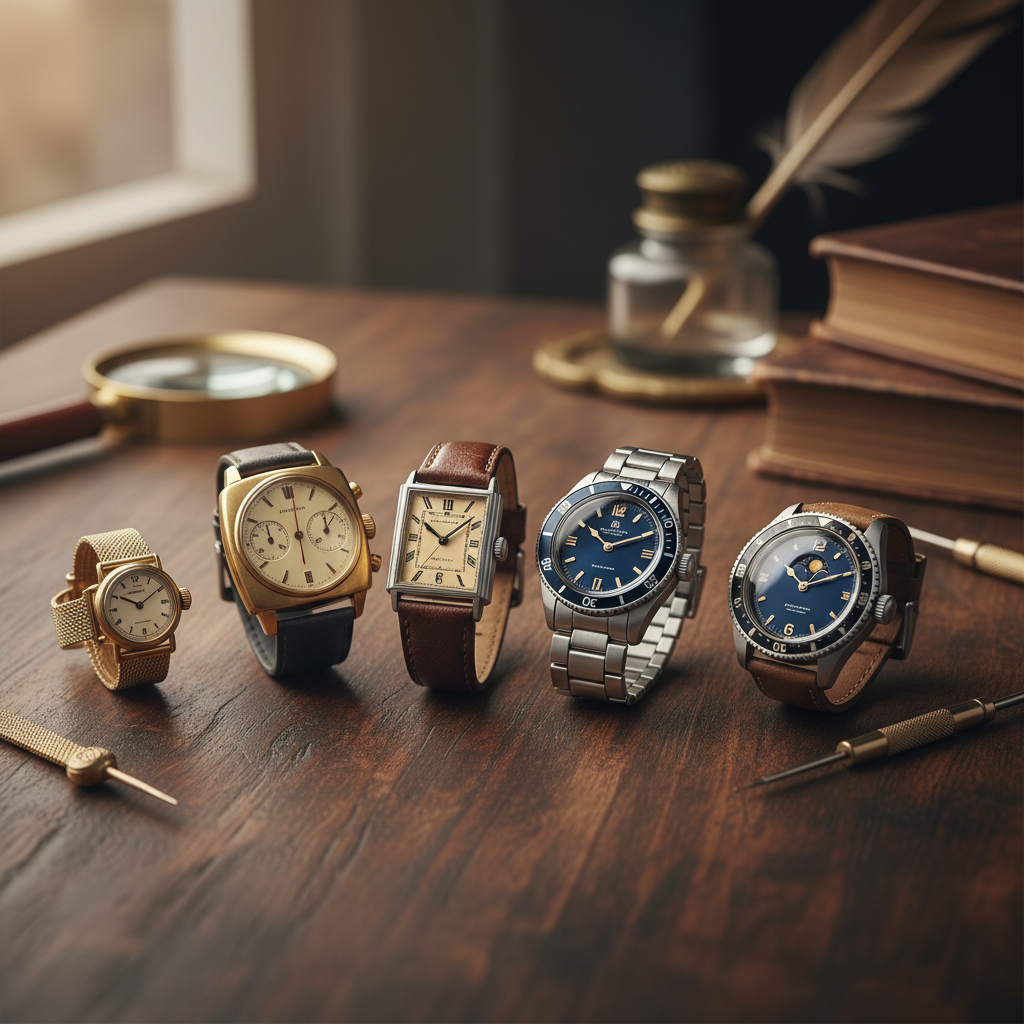
Discover why 2026 is the perfect year to buy vintage watches. Our guide reveals accessible icons from Rolex, Omega, Cartier, and more that offer history, style, and smart investment potential.
Hunting for the best vintage watches to buy in 2026? You're in for a treat—and maybe a bit of a puzzle. The market's always shifting, and what was a sleeper pick last year can become this year's must-have piece. I get it. You want something with soul, a story on your wrist that isn't just another mass-produced ticker. With so many brands and eras out there, where do you even start? Let's talk about what's poised to be smart, stylish, and surprisingly wearable as we look ahead.
### Timeless Picks for the Modern Collector
Forget chasing ultra-rare, museum-piece grails unless your budget is astronomical. The real sweet spot for 2026 is in accessible icons—watches that defined an era and still look incredible today.
For men, you can't go wrong with a late-80s or early-90s Rolex Oyster Perpetual Date. It's the quintessential GQ magazine-approved staple from a time before the hype went stratospheric. The cases were a bit smaller, the dials often had charming patinated lume, and they fly under the radar in the best way.
Then there's the Omega Seamaster Professional from the Brosnan-era James Bond films. It's a tool watch through and through, but it's developed fantastic cult status. The helium escape valve is a conversation starter, and the wave-pattern dial has more character than most modern homages. Prices for clean examples are still reasonable, but they're creeping up.
For women, the landscape is even more exciting. The best vintage watches for her aren't just shrunken-down men's models.
- Look at the Cartier Tank Louis from the 1970s. The elongated art-deco rectangle is pure elegance, and the manual-wind movement keeps it satisfyingly slender.
- For something with a different vibe, consider a Universal Geneve Polerouter from the 1960s. Gerald Genta designed it in his early twenties, and it's a masterpiece of mid-century modern design.
These pieces aren't just jewelry—they're wearable history with design integrity that's hard to find today.
### Why 2026 is a Particularly Interesting Year to Buy
You might be thinking, 'Why next year specifically?' It's a fair question. We're hitting a fascinating inflection point.
Watches from the 1980s and 1990s—the first generation of truly modern, robust automatic and quartz movements—are now solidly 'vintage.' They've settled into their patina, their service histories are established, and the community has a clear sense of what's a good example versus a problematic one. This market maturity means you're buying with more information, which is always a good thing.
There's also a stylistic cycle at play. The oversized watch trend of the 2000s has finally receded. Now, a 36mm case is celebrated again, not seen as small. That opens up a world of classic, mid-century, and even early electronic watches that just looked 'too small' a decade ago.
A 1960s dress watch on a leather strap? It's not just for formal wear anymore—it's a statement of refined taste against a sea of homogenous steel sports models.
> This shift is why you're seeing a huge resurgence in interest for vintage Grand Seiko models from the 60s and 70s. The Zaratsu polishing was incredible even then, and the high-beat movements are marvels of engineering.
Buying in 2026 is about capitalizing on this recalibration of taste. You're getting ahead of the next wave of collectors while prices for certain segments remain accessible.
### What to Look For in Your Vintage Purchase
When you're ready to buy, keep a few practical considerations in mind. First, always ask for service history. A well-maintained movement is worth the premium. Second, consider the case size carefully—what felt small five years ago might be perfect now. Third, don't overlook the bracelet or strap; original components add value and authenticity.
Remember, vintage watches aren't just about telling time. They're about connecting with craftsmanship from another era, wearing a piece of history that has survived decades of use. Whether you're drawn to the tool-watch functionality of a 90s Omega or the elegant lines of a 70s Cartier, 2026 offers unique opportunities for collectors at every level.
The market is evolving, tastes are shifting, and the definition of 'vintage' continues to expand. By focusing on accessible icons and understanding why 2026 presents special opportunities, you can make informed decisions that bring lasting satisfaction to your collection.